


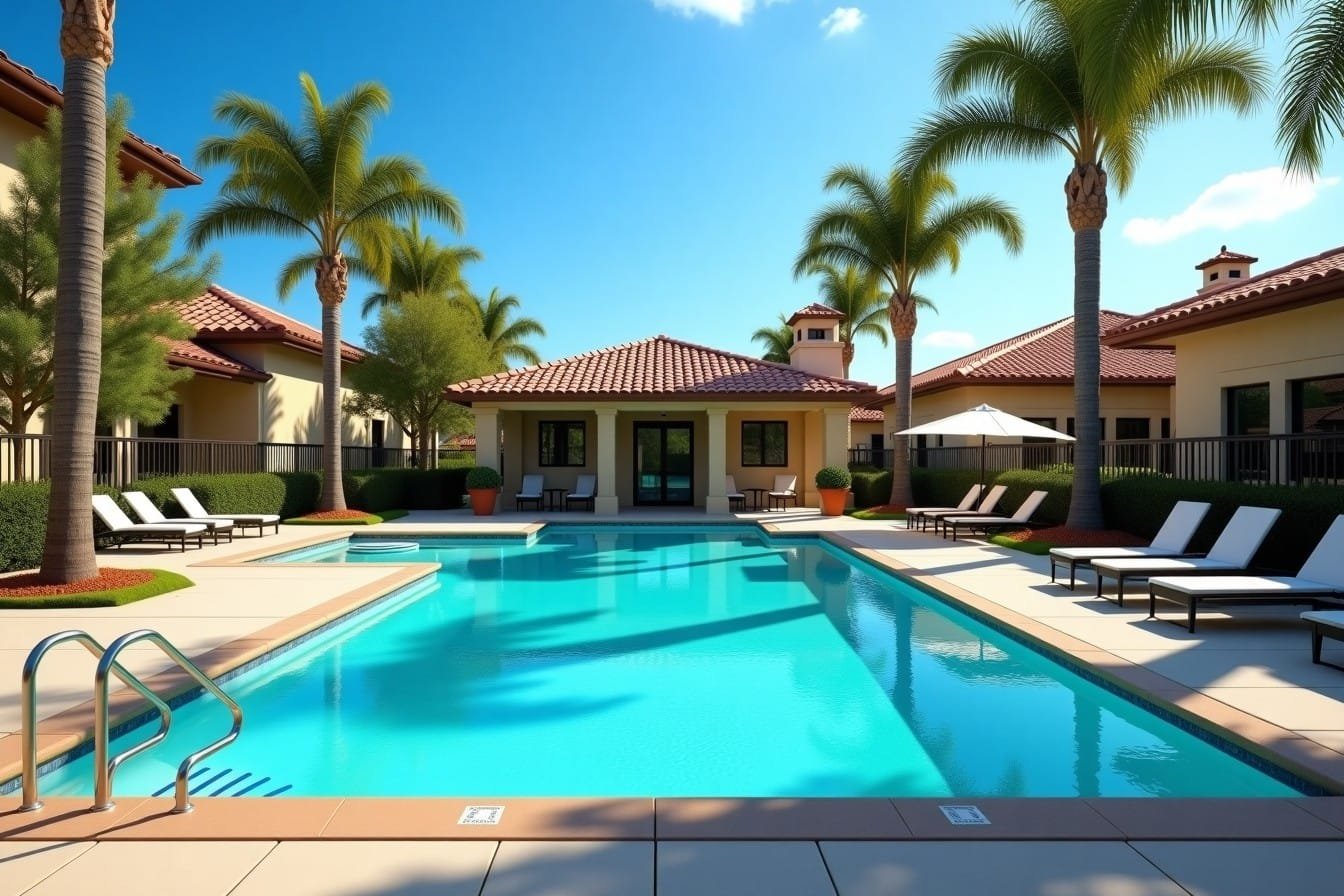
Every project brochure lists an impressive amenity count. What actually affects your day-to-day life — and what a future buyer will pay for — is a much shorter list.
Quick Answer: Reliable power backup, water supply, security, and a well-run maintenance structure matter more to daily life and resale value than a long amenity list. Lifestyle amenities like clubhouses and sports facilities add appeal, but only if they’re genuinely kept up over the years, not just present at launch.
Key Takeaways
- Reliable power backup, water supply, and 24/7 security protect daily quality of life more than a long amenity list.
- A well-run maintenance body (RWA) is what keeps amenities usable 5-10 years down the line, not just at handover.
- Family-use amenities like parks and walking tracks tend to see far more daily use than niche add-ons.
- Clubhouse and sports facilities affect lifestyle appeal and resale marketing, but check upkeep, not just presence.
- Ask about the maintenance charge structure early — an amenity you can’t afford to maintain isn’t really an amenity.
Core Infrastructure That Protects Daily Life
Power backup for common areas (and ideally individual villas), a functioning sewage treatment plant, consistent water supply, and round-the-clock security are what you’ll notice every single day — far more than whether the clubhouse has a squash court.
Lifestyle Amenities That Affect Resale Appeal
Clubhouses, swimming pools, and landscaped gardens do matter for resale marketing and day-to-day lifestyle. The catch is upkeep — a five-year-old clubhouse that’s been maintained well photographs and sells better than a newer one that’s already showing wear.
Questions to Ask About Maintenance Before You Buy
- What is the current monthly maintenance charge, and when was it last revised?
- Who manages the community today — the builder, or a resident-run RWA?
- Is there a sinking fund for major repairs (roofing, exteriors, common equipment)?
- Can you see the last 1-2 years of maintenance and repair records for an existing phase?
Red Flags to Watch For
Amenities that exist only in brochures or renders for a future phase, a maintenance charge that hasn’t been revised in years, or an RWA that isn’t yet formally handed over. Once you’ve done the amenity check, run through our villa handover checklist before accepting possession.
Frequently Asked Questions
Do clubhouses actually add resale value?
They help with marketing appeal, but their long-term value depends heavily on whether the community keeps them well-maintained — a neglected clubhouse can hurt perception more than a modest one that’s well-kept.
Is power backup really that important?
Yes — reliable backup for common areas and, ideally, individual villas is one of the most-cited daily quality-of-life factors, especially during Bangalore’s monsoon season.
How do I check if maintenance will be good before buying?
Ask about the RWA structure, current maintenance charge, and whether it’s been revised to keep pace with actual costs — a charge that hasn’t moved in years is a red flag, not a saving.
Do amenities aimed at children matter more than sports facilities?
For family buyers, yes — parks and walking tracks tend to see daily use, while niche facilities like mini-theatres are used far less often relative to their upkeep cost.
What’s a red flag to watch for in amenity claims?
Amenities shown only in brochures or 3D renders rather than a physical sample or completed phase — always verify what exists today, not what’s promised for a later phase.
Closing
A shorter list of well-maintained essentials beats a longer list of amenities nobody’s kept up.
See how these essentials are handled in projects like Madhura Gardens Villas in Whitefield.

Join The Discussion