

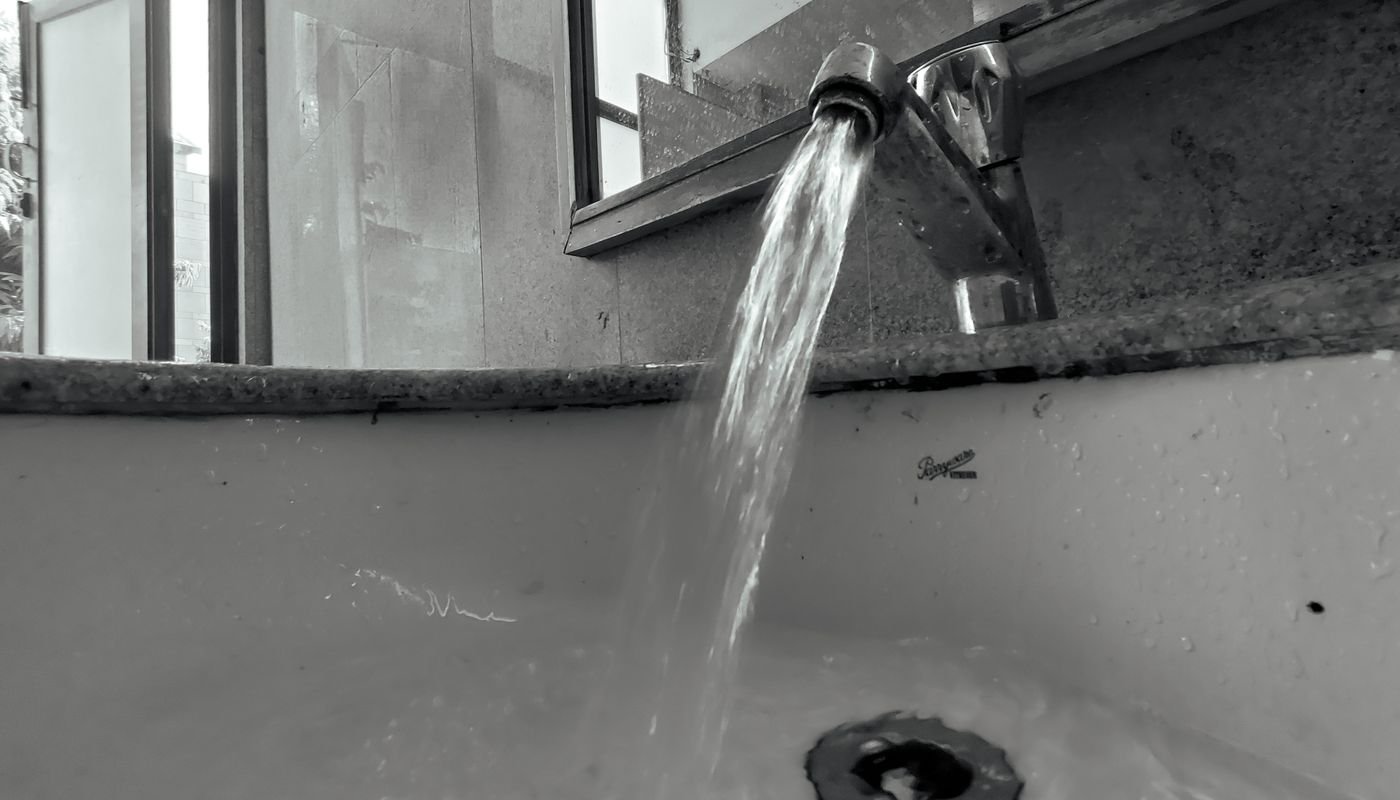
It is a Sunday afternoon at a villa site visit. The rooms are bright, the garden is green, and then your mother-in-law asks the question nobody planned for: “But where will the water come from?”
It is a fair question. Water supply in Whitefield villas is not one thing. It is usually a mix of piped Cauvery water, borewells, tankers, rainwater and recycled water, and the mix changes from one project to the next.
This guide explains each source in plain language, so you know what to ask before you fall for a garden.
Quick Answer: Villas in East Bangalore usually draw on a mix of Cauvery piped water, borewells and tankers, with rainwater and recycled water used for non-drinking needs. The mix differs from project to project, so ask the builder to confirm the water source and backup in writing before you book.
Key Takeaways
- There is no single water source for every villa in East Bangalore. Each project has its own mix.
- Piped Cauvery water has been extended to peripheral areas, but a villa community still needs a connection of its own.
- Borewell water depends on groundwater and varies in quality, so test it instead of assuming.
- Rainwater harvesting is a legal requirement for many properties in Bengaluru.
- Recycled water from a sewage treatment plant (STP) is for non-drinking use, and it only helps if it is actually reused.
Where does water supply in Whitefield villas come from?
Most villa communities in and around Whitefield and Varthur use one or more of these sources:
- Cauvery water: Piped water supplied by the Bangalore Water Supply and Sewerage Board (BWSSB).
- Borewells: Groundwater drawn through bored wells inside the community.
- Tankers: Water brought in by private or public tankers, usually as a backup.
- Rainwater: Collected from roofs and paved areas, stored or used to recharge the ground.
- Recycled water: Wastewater cleaned by an STP and reused for flushing and gardens.
Each has strengths and limits, which is why the question is never “Is there water?” but “Which water, how much, and who maintains it?”
If you are still deciding which area suits you, this guide to buying a villa in Whitefield covers the wider picture.
Do villas in Whitefield and Varthur get Cauvery water?
Many peripheral areas of Bengaluru, including parts of Whitefield, have historically depended on borewells and tankers. The Cauvery Water Supply Scheme Stage V was built to change that.
The project was reported to supply about 775 million litres a day to around 50 lakh people in 110 villages on the city’s outskirts, including the Whitefield area.
That is good news, but it does not mean every villa has a tap running with Cauvery water today. Coverage reaches an area first. A project still needs its own connection.
So ask the builder:
- Has this community applied for or received a BWSSB Cauvery connection?
- If yes, what is the connection status and supply pattern?
- If no, what is the plan and the timeline?
How reliable is borewell water for a villa?
A borewell gives a community its own source, which is why many projects in East Bangalore have relied on one. But it comes with conditions.
- Yield depends on groundwater. It can dip in dry months, and nearby borewells affect each other.
- Quality varies by location and depth. Hardness and dissolved salts can differ even within the same neighbourhood.
- Permissions and compliance matter. Ask whether the borewells were set up with the required approvals.
Do not assume the water is fit to drink. Ask for a recent water test report from an accredited laboratory, and expect to use a purifier for drinking water.
What happens when tanker water fills the gap?
Many communities keep tanker water as a backup for dry spells. It works, but it adds a recurring cost and a reliance on outside suppliers.
Picture a hot April week. The borewell yield drops, the sump runs low, and the association books tankers. Nobody is unhappy if the cost was planned for. Everyone is unhappy if it was a surprise.
Questions worth asking:
- How often did this community use tankers last year?
- Who pays, and is it part of the monthly charges?
- Who checks the quality of tanker water?
For what these costs add up to over a year, see what villa maintenance costs in Bangalore.
What does rainwater harvesting do for a villa?
Rainwater harvesting means collecting rain from your roof and paved areas, then storing it in a tank or sump, or letting it recharge the ground.
It is not only a good idea. It is a legal requirement for many properties. Under the 2009 amendment to the BWSSB Act, owners of buildings on sites of 2,400 sq ft or more, and owners constructing on sites of 1,200 sq ft or more, must provide a rainwater harvesting structure. You can read the law in the Bangalore Water Supply and Sewerage Act, 1964 on India Code.
Rules and thresholds can be updated, so confirm the current position with BWSSB or a property lawyer.
Rainwater is generally used for non-drinking needs such as gardens and cleaning, and for recharging groundwater.
How does STP-recycled water work in a villa community?
A sewage treatment plant (STP) cleans the wastewater from kitchens, bathrooms and toilets so it can be reused. It is a small treatment facility inside the community.
Recycled water is not for drinking. It is typically used for:
- Flushing toilets
- Watering gardens and landscaping
- Washing floors and vehicles
The plant only saves water if the treated water is actually reused. Ask whether the community has the pipes and storage to do this, who runs the plant, and how its upkeep is paid for.
How do the main sources of water supply in Whitefield villas compare?
| Source | What it offers | What to watch |
|---|---|---|
| Cauvery piped water | Treated regulated supply once , connected | Connection status and supply pattern vary by project |
| Borewell | A community’s own source | Yield changes with groundwater; quality needs testing |
| Tanker water | Flexible backup in dry spells | Recurring cost; quality and supplier vary |
| Rainwater | Reduces fresh water use for non-drinking needs | Seasonal; needs storage and upkeep |
| STP -recycled water | Cuts demand for fresh water | Needs plumbing upkeep and actual , reuse |
Most well-planned communities combine several of these rather than depending on one.
What water questions should you ask before buying a villa?
Take this list to your next site visit and ask for the answers in writing:
- What is the main water source for the community?
- Is there a BWSSB Cauvery connection, and what is its status?
- How many borewells are there, and when was the water last tested?
- What is the STP capacity, and is the treated water reused?
- How is rainwater collected and stored?
- What is the tanker backup plan, and who pays?
- Who maintains the pumps and the STP, and what does it cost per month?
A buyer who asks these questions makes a better decision. Any builder you consider, including MarkON Homes, a Bangalore villa developer with over 15 years of experience, should be glad to answer them in writing.
What does a water-conscious villa community look like near Whitefield?
As one example, Madhura Gardens, a solar-powered community of independent villas in Varthur near Whitefield, combines solar-powered pumps, rainwater harvesting and STP-recycled water.
For its current water source and capacity, check the published details or ask the developer during a site visit.
Frequently Asked Questions About Water Supply in Whitefield Villas
Is Cauvery water available in Whitefield villa communities?
Parts of Whitefield were included in the Cauvery Stage V plan, but coverage reaching an area is not the same as a project being connected. Ask each builder for the connection status in writing.
Is borewell water safe to drink in Bangalore?
Not always. Quality varies by location and depth, so test it at an accredited laboratory and use a purifier for drinking water. Never assume it is fit to drink without a test.
Is rainwater harvesting mandatory for villas in Bangalore?
For many properties, yes. The BWSSB Act, as amended in 2009, requires it for existing buildings on sites of 2,400 sq ft or more and new construction on sites of 1,200 sq ft or more. Confirm the current rule with BWSSB.
What is STP-recycled water used for in a villa community?
Non-drinking uses such as flushing, gardening and cleaning, depending on how the community has set up its pipes and storage. It is not meant for drinking or cooking.
What should I check about water before buying a villa in East Bangalore?
Ask about the main source, the Cauvery connection status, borewell testing, STP reuse, rainwater storage, tanker backup, and who pays for upkeep. Get every answer in writing.
Please note: Water rules, connection status and supply patterns can change. Confirm current details with BWSSB, and verify any legal question with a property lawyer. Have drinking water tested at an accredited laboratory.
Ready to see the water setup for yourself?
The best way to judge the water supply in Whitefield villas is to ask the questions and see the system in person. Take your time, and ask to see the pump room and the STP.
If you would like to start, you can schedule a site visit and ask to see how the community handles water. No pressure, just clear answers.



Join The Discussion